































































Essential Safety Tips for Proper Gas Cylinder Storage
Proper gas cylinder storage is one of the most important aspects of handling LPG and industrial gases. Whether you’re using gas cylinders for home, commercial, or industrial purposes, storing them correctly plays a crucial role in preventing accidents, reducing fire hazards, and ensuring compliance with safety regulations. At Supplywise, we focus on providing safe, durable, and compliant storage solutions designed to protect your workplace, your property, and the people around you. With the right knowledge and the proper equipment, preventing gas-related incidents becomes significantly easier and more reliable.
One of the most important rules in gas cylinder storage is to always keep cylinders in an upright position. The upright posture ensures that internal pressure is managed safely and that the pressure-relief valve can operate correctly during an emergency. A cylinder that rolls or lies on its side becomes unstable and can leak, creating potential danger. For this reason, always store cylinders on a flat, level, and fire-resistant surface. A concrete floor is generally preferred because it provides stability and minimizes the chances of the cylinder shifting or falling over.
Ventilation is another critical factor in safe gas cylinder storage. Cylinders must always be kept in areas with good airflow to prevent the buildup of leaked gas. Even a small gas leak can become hazardous if it accumulates in a confined space. This is why enclosed rooms such as cupboards, basements, bathrooms, and unventilated garages are not recommended for gas storage. Outdoor storage or a well-ventilated covered area is ideal, especially for businesses that use multiple cylinders on a regular basis. Proper ventilation lowers the risk of gas pooling and helps maintain a safer working environment.
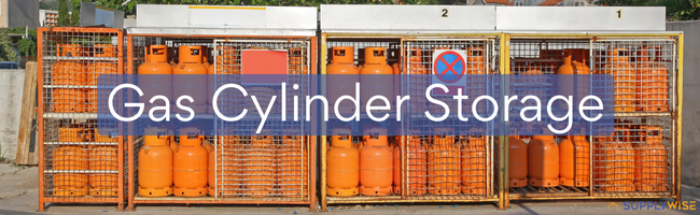
It is equally important to store gas cylinders away from heat sources. Excessive heat creates pressure buildup inside the cylinder, which can lead to valve failure or in extreme cases, explosions. Never store gas cylinders near open flames, heaters, stoves, boilers, direct sunlight, sparks, or electrical appliances that may generate heat. Keeping them in a shaded, cool, and protected area significantly extends their lifespan and enhances safety. Many workplaces choose to install dedicated gas cylinder cages or steel storage enclosures that provide shade, ventilation, and protection from accidental impact.
Another essential safety practice is to keep cylinders away from flammable materials or chemicals. Gas cylinders should never be stored near fuels, paints, solvents, cleaning agents, wood piles, paper, or any other combustible items. Maintaining a clear buffer zone around the cylinders helps reduce the likelihood of a fire spreading. It also ensures maintenance teams or emergency personnel have quick access if an incident occurs. Clear access is important not only for safety reasons but also for routine inspections, deliveries, and cylinder replacements.
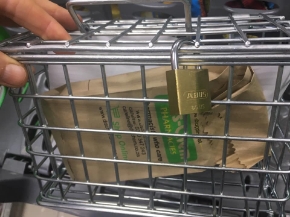
Worksites, factories, and warehouses must follow strict gas cylinder regulations to comply with workplace safety laws. Cylinders should be clearly labeled, and different gas types must be stored separately. Mixing incompatible gases increases risk, especially in industrial environments. Use appropriate restraints such as brackets, chains, or metal racks to secure every cylinder. A secured cylinder is far less likely to fall, leak, or be damaged, even in high-traffic or high-activity areas. Many businesses invest in cages with lockable doors to prevent unauthorized access, vandalism, or accidental tampering.
For larger operations or commercial facilities, having a dedicated gas cylinder storage system is not just best practice — it’s a legal requirement. Supplywise provides durable, weather-resistant storage cages, galvanized steel enclosures, and protective racks that make it easy to comply with national safety guidelines. These storage units help shield cylinders from environmental damage, theft, and accidental impacts from equipment or vehicles.
Good gas cylinder safety also includes careful handling. Cylinders should never be dragged, dropped, rolled, or lifted by the valve. When moving cylinders around a workshop or job site, use proper transport trolleys and always keep the protective valve cap secured. Staff should be trained to understand how to connect and disconnect cylinders safely, how to check for leaks, and what to do during an emergency. Simple steps such as performing routine leak tests and keeping cylinders clean and dry can significantly reduce risk over time.
Regular inspections are also essential to maintaining safe gas storage. Check that cylinders are standing securely, that valves and hoses show no signs of wear or damage, and that all safety labels remain visible and readable. Proper record-keeping helps ensure your storage area remains compliant with safety regulations year-round.
In conclusion, safe gas cylinder storage is built on a combination of good ventilation, secure upright positioning, protection from heat sources, separation from flammable materials, and the use of proper storage equipment. Whether for residential use, commercial kitchens, workshops, hospitality facilities, or industrial plants, following these best practices reduces safety hazards and keeps your environment compliant with safety standards. Supplywise continues to support safe workplaces by offering high-quality gas cylinder storage products designed for security, durability, and complete peace of mind.
Visit our gas cylinder storage range here: See our Gas Cylinder Storage